Mould & Your Health
Sep 13, 2026
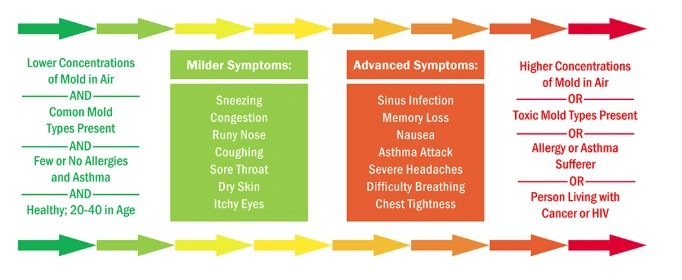
Indoor air quality plays a critical role in your overall well-being, yet invisible invaders like mould often go unnoticed until health impacts flare up. Understanding how different types of mould affect the human body is the first step in protecting your living environment and preventing chronic illness.
The Three Categories of Mould
Moulds are generally classified into three distinct groups based on how the human body responds to them:
Allergenic Moulds: These rarely cause life-threatening issues, but they frequently trigger allergic reactions in sensitive individuals. Typical symptoms include nasal congestion, sneezing, coughing, watery eyes, and skin rashes.
Pathogenic Moulds: Known for causing infections, these primarily threaten individuals with suppressed immune systems. While healthy people can usually resist them, high levels of exposure can still trigger hypersensitivity.
Toxigenic Moulds: These produce toxic chemical metabolites known as mycotoxins. Exposure can lead to severe health consequences, ranging from chronic fatigue and respiratory infections to immune suppression and long-term systemic damage.
Recognising Mould-Related Illness
Exposure to indoor mould environments often mimics lingering cold or flu symptoms that simply refuse to clear up. Many people notice a distinct pattern: they feel significantly better when they leave home for a few days, only to experience a resurgence of symptoms within hours of returning.
Common signs of indoor exposure include chronic throat clearing, persistent coughing, headaches, unexplained fatigue, and the aggravation of asthma.
Who Is Most Vulnerable?
While anyone can be affected by poor indoor air quality, certain groups face a significantly higher risk of developing severe, long-term health issues:
Infants, children, and the elderly
Pregnant women and individuals recovering from surgery
Those with pre-existing allergies or respiratory conditions
Immunocompromised individuals
When airborne toxic mould spores are inhaled deeply into the lungs, they can cross into the bloodstream and impact multiple systems, including the nervous and immune systems. Over time, prolonged exposure to elevated mould environments can contribute to complex, chronic health conditions. If you suspect mould contamination in your property, professional inspection, testing, and targeted remediation are essential to safeguarding your health and restoring a safe indoor environment.