How to Stop Mould from Growing in Your Australian Home
If you want to keep your home fresh and healthy, it all comes down to controlling moisture.
Sep 4, 2026
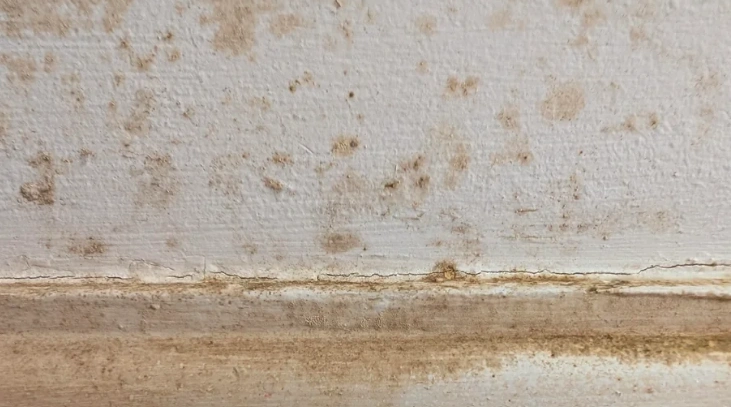
If you live in Australia, chances are you’ve had to scrub a patch of fuzzy black mould off a bathroom ceiling, a window frame, or the back of a wardrobe at some point. Between our muggy summers, coastal humidity, and tightly sealed modern homes, moisture loves to sneak indoors.
Mould isn't just an eyesore; it can trigger allergies, asthma, and a whole range of respiratory or systemic health issues. So, how do you stop it before it takes over your living space?
Here is a straightforward, step-by-step game plan to keep your house mould-free year-round.
Step 1: Keep a Water-Tight House
Before you worry about what’s happening inside your air, you need to look at the outer shell of your home. A watertight building envelope is your first and most important line of defence against water ingress.
Clear Roofs and Gutters: Check your roof, gutters, and downpipes regularly to make sure rainwater is flowing completely away from your property, rather than pooling against your foundations.
Inspect Exterior Seals: Look over window seals, flashing, and exterior brickwork or cladding for any cracks or gaps where driving rain can seep in during severe storms.
Fix Leaks Promptly: If water is getting in from the outside, no amount of indoor cleaning or surface spraying will stop mould from growing within your walls.
Step 2: Limit Water Vapour and Ventilate
Once you know your home is structurally watertight, the next battleground is managing the moisture you create every day—from cooking and showering to breathing and drying clothes indoors.
Run and Maintain Exhaust Fans: Make sure you're running exhaust fans in high-moisture zones like the kitchen and bathroom, and leave them running for 15–20 minutes after you finish cooking or showering.
Wipe Down Condensation: If you notice moisture pooling on windowsills, glass, or bathroom tiles, don't ignore it. Wipe it away immediately with a clean microfibre cloth.
Invest in a Dehumidifier: If your home naturally struggles to stay dry during wet seasons, a portable compressor or desiccant dehumidifier can be a game-changer for pulling excess moisture straight out of the air.
Monitor Relative Humidity: Buy a cheap digital humidity reader (hygrometer). Keeping an eye on your indoor levels is critical because once relative humidity creeps over 55%, there is enough atmospheric moisture for mould spores to germinate.
Trust Your Senses: Use your eyes and nose! If things are starting to look suspicious or you catch a familiar musty, earthy smell, don't wait—clean it up right away.
For deeper environmental guidance or to find professional support if mould has already taken hold, explore our Building Biologist Directory.
Wrapping It Up
Effective mould prevention isn't about doing one massive, exhausting clean a year; it’s about consistent daily habits. By keeping your house sealed against the elements, actively managing indoor steam, and tracking your humidity levels, you can keep your home healthy, breathable, and entirely mould-free.
Frequently Asked Questions (FAQ)
What indoor humidity level prevents mould growth?
Keeping indoor relative humidity strictly below 55% inhibits mould germination, dust mite proliferation, and indoor condensation.
Why do modern Australian homes seem more prone to mould?
Many modern Australian homes are built with tight, energy-efficient building envelopes that trap indoor air. Without adequate mechanical ventilation systems (like continuous exhaust or Heat Recovery Ventilators), everyday activities trap indoor humidity, creating a breeding ground for mould.
Can you just paint over mould?
No. Painting over mould without addressing the underlying moisture source or properly cleaning the substrate is a temporary fix. The mould will quickly eat through the new paint layer and re-emerge.